
Table of Contents
- Understanding the Mental Barriers Keeping Your Garage Full
- Start Fresh: The Complete Garage Cleanout Strategy
- Think Vertical: Smart Storage Solutions That Reclaim Floor Space
- Hauling It Out: Why Volume-Based Professional Removal Beats DIY
- Portland-Specific Considerations: Eco-Friendly Disposal and Local Regulations
- Transformation Tales: How Portland-Area Homeowners Reclaimed Their Garages
- Final Thoughts
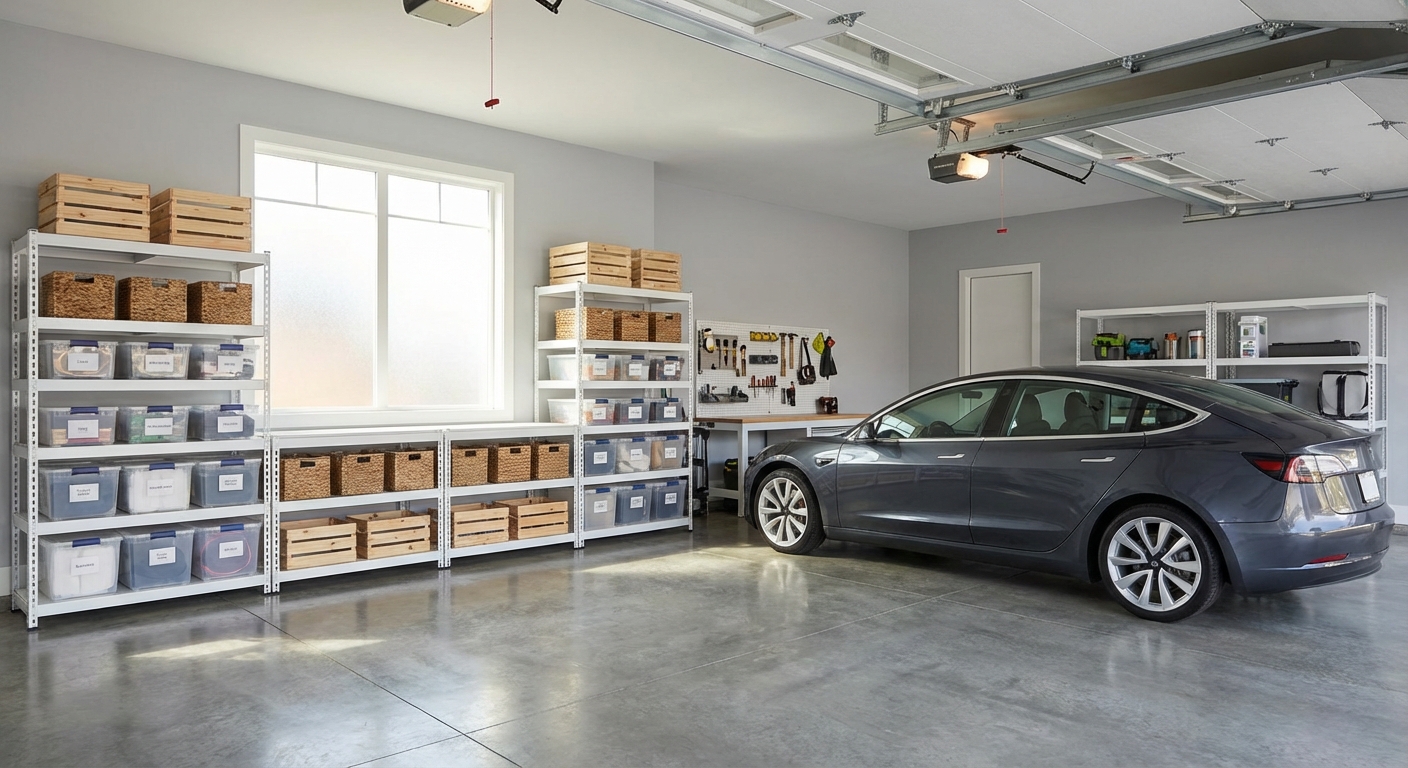
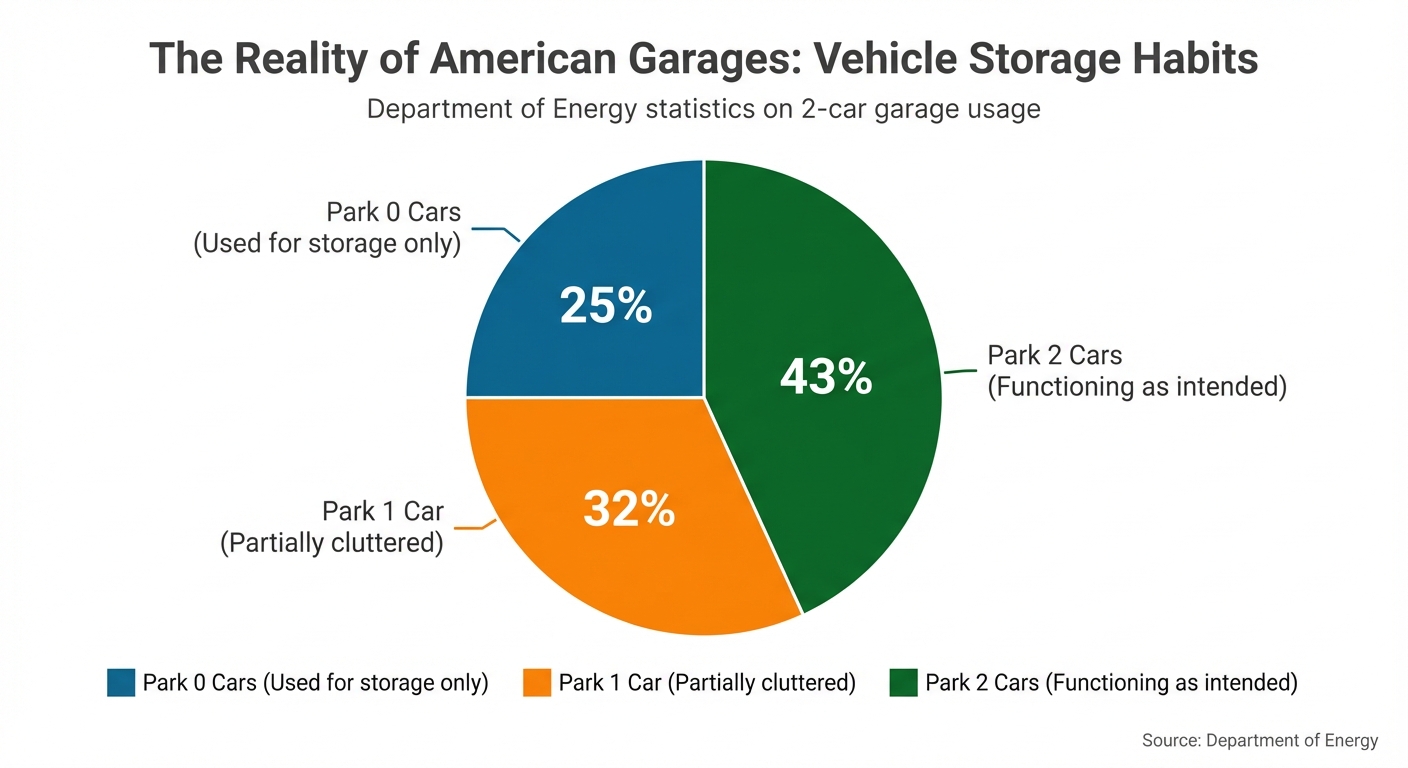
Picture this: You pull into your driveway after a long day, rain pouring down as it so often does in Portland. You grab your groceries and dash toward the house—past your two-car garage that hasn’t seen a vehicle in years. Inside that space sits your $30,000 SUV, exposed to the elements, slowly depreciating while boxes of “someday” projects and forgotten sporting equipment occupy the shelter intended for it. You’re not alone. A groundbreaking study by UCLA’s Center on Everyday Lives of Families found that 75% of garages have no room for cars due to clutter, and the U.S. Department of Energy reports that 25% of people with two-car garages don’t park any cars inside. This isn’t just a space problem—it’s a financial one. Vehicles left outside in Portland’s moisture-heavy climate age faster, losing value more rapidly than their garaged counterparts. Meanwhile, the self-storage industry generates $39 billion annually from homeowners paying monthly fees to house overflow items that often could have been discarded years ago.
Beyond the dollars and cents, there’s a psychological toll. Research from Princeton University’s Neuroscience Institute reveals that physical clutter competes for your attention, decreasing cognitive performance and increasing stress levels. That chaotic garage isn’t just an eyesore—it’s a source of chronic, low-level anxiety every time you walk past it. This guide provides a systematic, actionable strategy for transforming your garage from overflow storage unit back to its intended function. You’ll learn a zone-based sorting methodology, discover how to maximize vertical space for items you keep, and understand why professional volume-based removal services often cost less than DIY disposal when you factor in hidden expenses. Let’s reclaim that valuable real estate.
Understanding the Mental Barriers Keeping Your Garage Full
Before you can effectively clear your garage, you need to understand why those boxes have been sitting there for years. The psychology of accumulation reveals several cognitive biases that make letting go remarkably difficult. The Endowment Effect is perhaps the most powerful barrier. Behavioral economists Daniel Kahneman and Richard Thaler identified this phenomenon: humans overvalue items simply because they own them. That stack of “useful someday” lumber you’ve been storing for five years? You unconsciously assign it higher value than identical lumber at the hardware store priced at $50. Your brain has emotionally weighted it, making disposal feel like a loss rather than a gain of space. Then there’s what we call the “Delayed Decision” Trap. Garages become holding zones for items we’re not emotionally ready to decide about—the treadmill that became a clothes rack, your daughter’s outgrown soccer gear, the broken appliance you keep meaning to repair. Each item represents a decision deferred, and collectively, they create decision fatigue that paralyzes action.
The Princeton research on visual clutter provides compelling evidence for taking action: physical disorganization in your environment literally competes for your brain’s attention. When you walk into a cluttered garage, your visual cortex is processing hundreds of objects simultaneously, creating what neuroscientists call “cognitive load.” This constant mental taxation reduces your ability to focus and increases cortisol levels—the stress hormone. The Sentimental Storage Syndrome deserves special mention. There’s an important distinction between truly meaningful keepsakes (your grandfather’s toolbox that you actually use) and items kept out of guilt or obligation (every art project your children made in elementary school). The former deserves honored space; the latter often represents emotional debt rather than genuine sentiment.
💡 Reframing Exercise
“If I had to pay $50 per month to store this item in a self-storage unit, would I keep it?” This question transforms abstract attachment into concrete financial reality. That broken weed trimmer you’ve been meaning to fix for three years? Probably not worth $1,800 over three years. Those paint cans from 2015? Definitely not.
Understanding these mental barriers doesn’t eliminate them, but it arms you with awareness. When you catch yourself thinking “I might need this someday,” you can recognize the endowment effect at work and make a more rational decision.
Start Fresh: The Complete Garage Cleanout Strategy
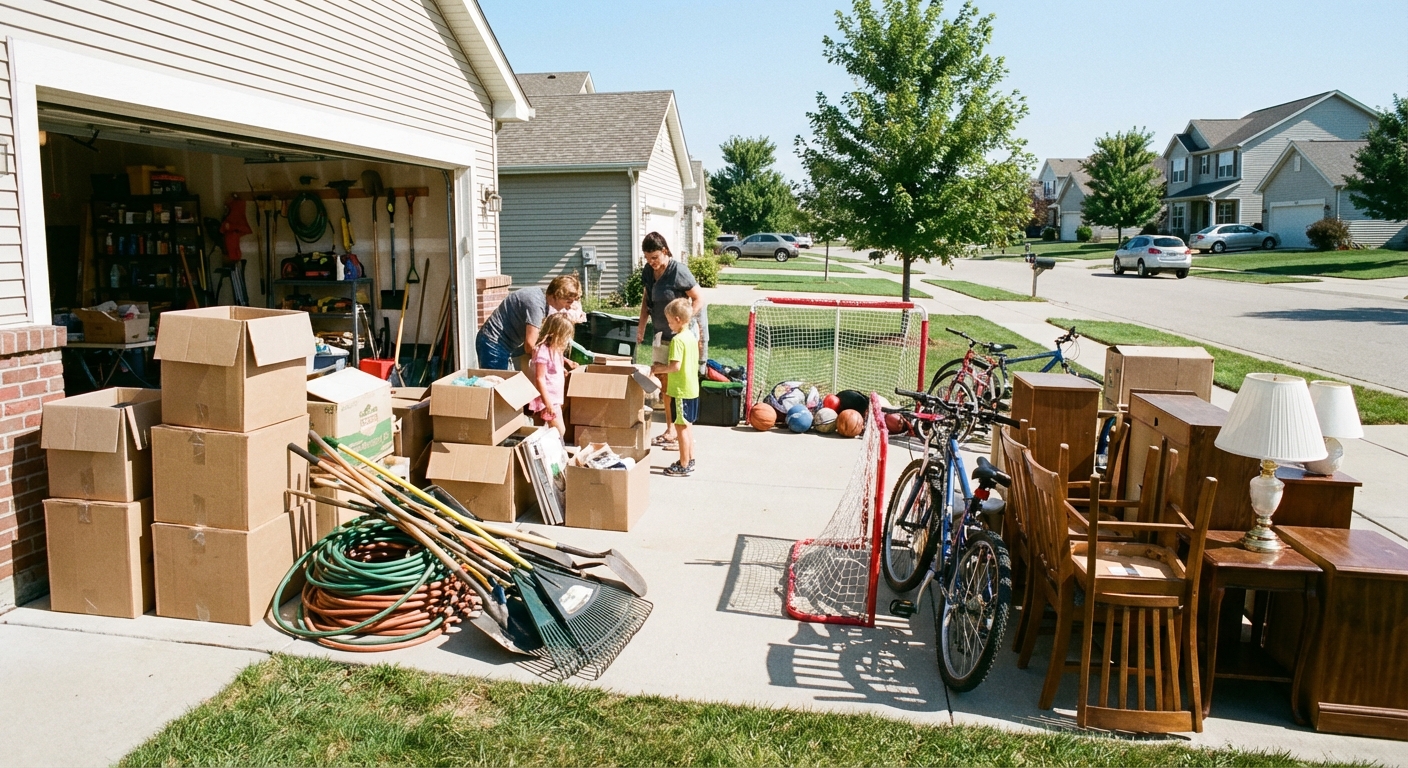
The most effective decluttering methodology is counterintuitive: instead of sorting items where they sit, you remove everything from the garage. This “Full Excavation Method” leverages what professional organizers call the “touch-it-once” principle.
Why Full Excavation Works
When items remain in the garage, you’re making decisions in a cramped, poorly lit environment where it’s easy to simply shift boxes around rather than confront their contents. By moving everything into your driveway (ideally on a clear weekend day), you force honest decision-making. Daylight is a powerful clarifier—that box you thought contained important documents might actually hold outdated owner’s manuals and dried-up pens. The foundation of this method is the Five-Category System, which eliminates the paralysis of “maybe” piles:
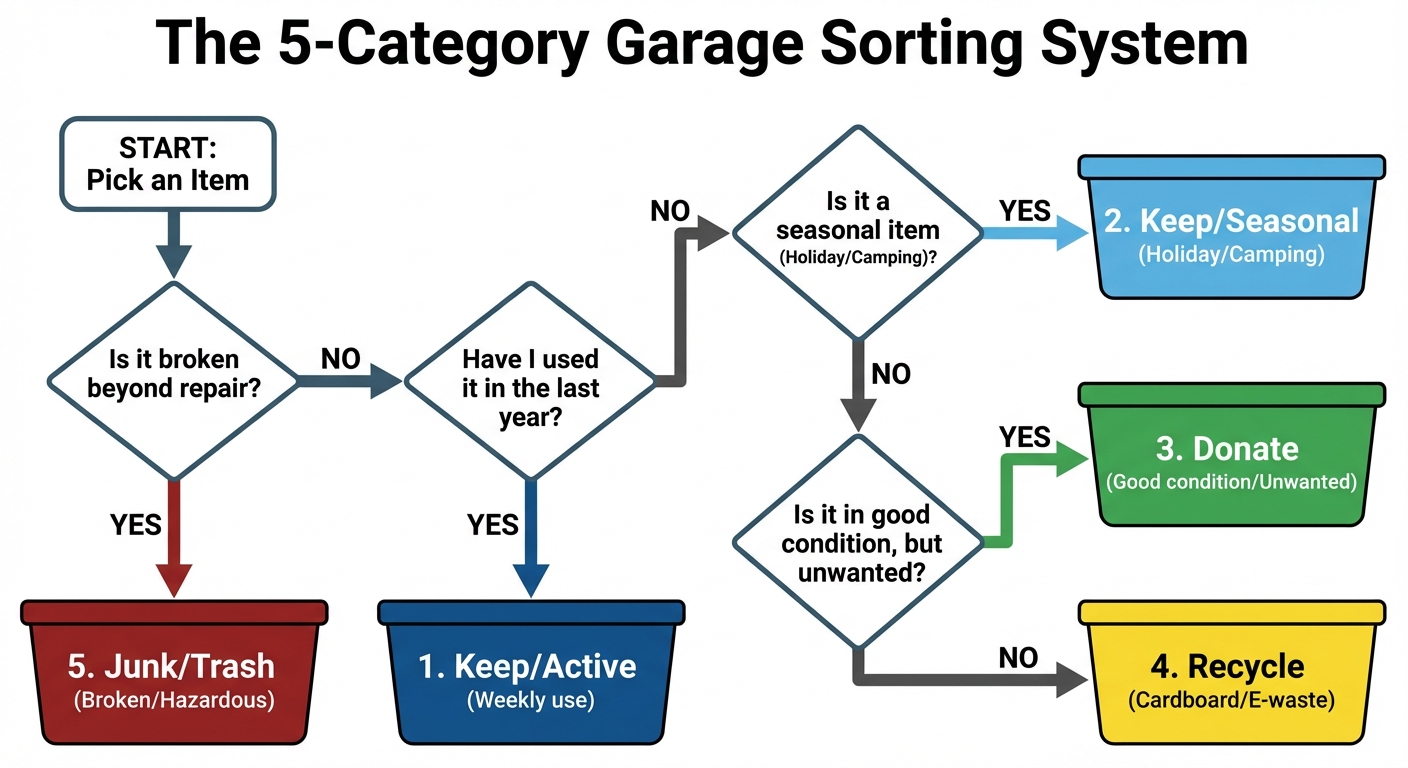
- Keep/Active: Items you use weekly or monthly—current tools, active sports equipment, everyday gardening supplies. This category should represent roughly 20-30% of your total items if your garage has been accumulating clutter for years.
- Keep/Seasonal: Holiday decorations, camping equipment, seasonal garden tools, winter sports gear. These items get used predictably but infrequently. They belong in high shelves or ceiling storage.
- Donate: Good-condition items no longer needed—working appliances you’ve replaced, outgrown sports equipment, duplicate tools, furniture that doesn’t fit your current space. If you haven’t used it in a year but it has value to someone else, it belongs here.
- Recycle: Cardboard boxes (often 30-40% of garage volume), e-waste like old monitors and printers, specific plastics marked with recycling symbols, metal scraps, and clean wood.
- Junk/Trash: Broken items beyond repair, general debris, items with safety hazards (rusted tools, cracked plastic containers), and hazardous materials requiring special disposal (paint, batteries, pesticides).
The Driveway Sorting Zone
Create five distinct areas with clear visual boundaries—use tarps, chalk lines, or simply position different colored bins. Place a large trash can or roll-off container near the “Junk” zone to immediately deposit obvious garbage. Keep donation boxes near the driveway entrance so you can load them directly into your vehicle later.
✓ Decision-Making Rules
- “Have I used this in the past year?” If the answer is no, and it’s not seasonal or sentimental, it likely belongs in donate or junk.
- “Would I buy this again today?” That bread maker you received as a gift seven years ago and never used? Probably not worth repurchasing, which means it’s not worth storing.
- “Do I have multiple versions of this item?” Three hammers, five screwdrivers, two leaf blowers—keep the best one, donate or junk the rest.
Handling Emotional Items
For sentimental objects, consider the “photograph instead of keeping” technique—take a high-quality photo of your child’s artwork or trophy collection, create a digital album, and release the physical items. If you must keep memorabilia, designate one clearly defined memory box with strict size limits (a single 18-gallon storage bin, for example). When it’s full, something must go before anything new enters. The excavation process typically takes 4-6 hours for a standard two-car garage. Schedule it when you have uninterrupted time, recruit a friend or family member for emotional support (and to challenge your “keep” decisions), and remember: the discomfort of decision-making is temporary, but the freedom of clear space is lasting.
Think Vertical: Smart Storage Solutions That Reclaim Floor Space
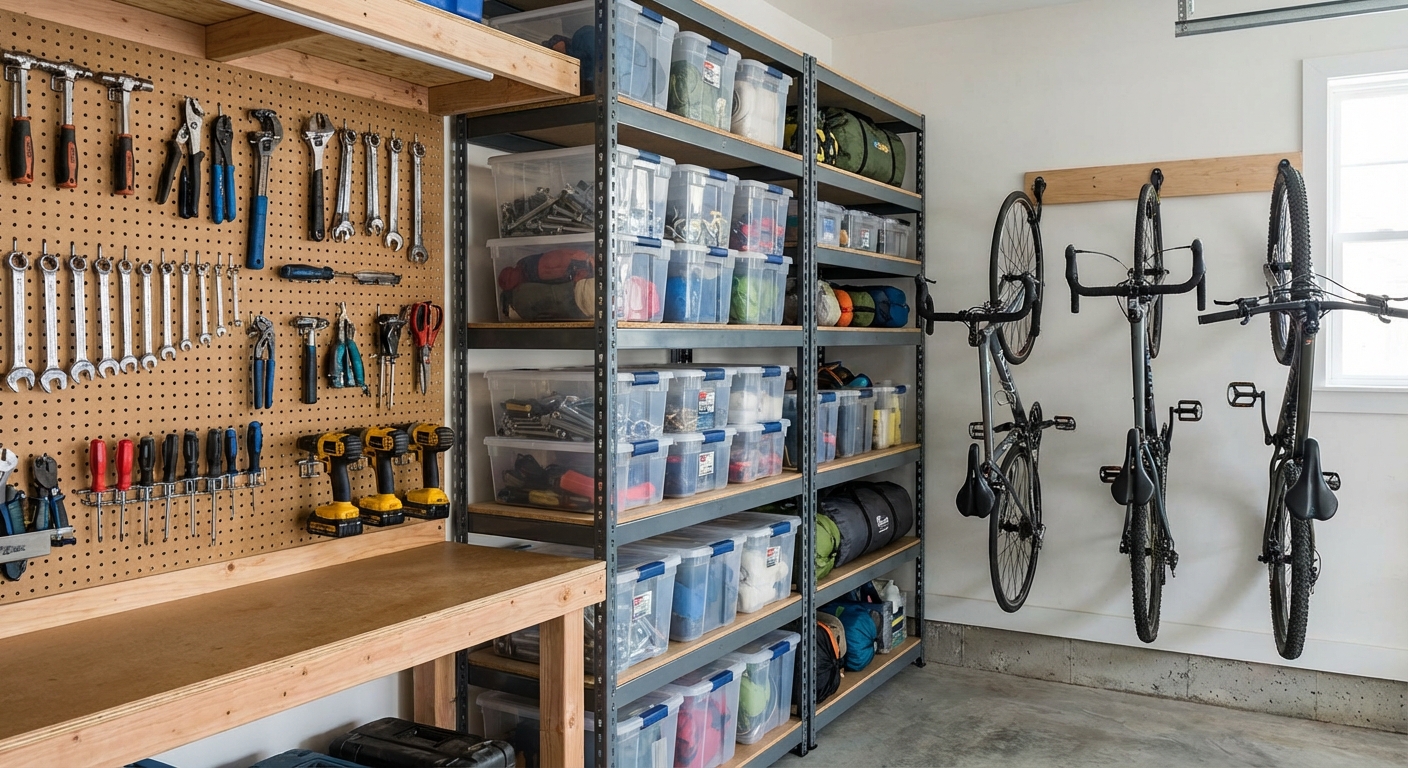
Once you’ve ruthlessly sorted and are left with only your “Keep/Active” and “Keep/Seasonal” categories, the real transformation begins. In a standard two-car garage (approximately 20′ x 20′), floor space is premium real estate—but your walls and ceiling represent vastly underutilized capacity. Vertical storage can increase your usable storage capacity by up to 50% while keeping the floor clear for vehicles.
Wall-Mounted Solutions
Track Systems with Adjustable Hooks offer maximum flexibility. These wall-mounted rails (typically installed 6-8 feet high) accept various hook configurations that you can move as needs change. Hang bikes vertically, suspend ladders horizontally, and create instant homes for shovels, rakes, and brooms. Quality track systems support 50-75 pounds per hook and cost $150-300 for a complete two-wall installation. Pegboards for Tool Organization transform chaotic toolboxes into visible, accessible systems. A 4′ x 8′ pegboard installed above a workbench provides organized storage for hundreds of tools while keeping them within arm’s reach. The key advantage: when every tool has a designated spot outlined on the board (trace tools with marker), you immediately notice what’s missing and where it belongs. Heavy-Duty Shelving Units should be minimum 16″ deep and rated for at least 1,000 pounds total capacity across four shelves. Position these along walls that don’t interfere with vehicle doors. Place frequently used items (current sports gear, active gardening supplies) on middle shelves at waist height. Heavier items like bags of fertilizer or cases of oil go on bottom shelves, while lighter seasonal items occupy top shelves.
Ceiling Storage
Overhead Racks install between ceiling joists and create platforms 2-4 feet below the ceiling. These are ideal for seasonal items like holiday decorations, camping equipment, and rarely used sporting gear. Most systems support 200-600 pounds depending on quality and installation. A critical consideration: ensure at least 7 feet of clearance below racks so you don’t sacrifice headroom needed for vehicle doors or tall drivers.
Zone-Based Organization
Rather than randomly placing items wherever space exists, create dedicated zones:
- Garden Zone: Near the garage door for easy outdoor access. Wall-mount long-handled tools (shovels, rakes, hoes), hang garden hoses on reels, and shelf fertilizers and potting soil. This zone supports the outdoor work that happens most frequently.
- Sports Zone: Dedicate a corner or wall section to recreational equipment. Use vertical bike racks, ball storage cages, and bins for smaller gear. Group by family member if helpful (each person’s equipment in their designated section).
- Holiday Zone: High shelves or ceiling storage for decorations used once annually. Clearly label bins by holiday and use transparent containers so you can identify contents without opening them.
- Workshop Zone: If you’re a DIYer, create a tool-centric area with a workbench, pegboard above it, and drawers or cabinets below for hardware and supplies. This becomes your project headquarters.
🔄 The “One In, One Out” Rule
When you purchase a new rake, the old one gets donated or junked. When holiday decorations expand, something from previous years gets released. This simple rule creates a carrying capacity for your garage that respects the hard-won organization you’ve established.
The psychology of zones cannot be overstated: when every category has a home, maintenance becomes nearly automatic. Your brain knows “bikes go in the sports zone corner,” not “bikes go wherever there’s space,” which prevents the gradual return to chaos.
Hauling It Out: Why Volume-Based Professional Removal Beats DIY
You’ve sorted, you’ve decided, and now you face a driveway full of items in your “Junk/Trash” and “Recycle” categories. The disposal phase is where many well-intentioned garage transformations stall—because the logistics of removal are far more complex and costly than most homeowners anticipate.
The True Cost of DIY
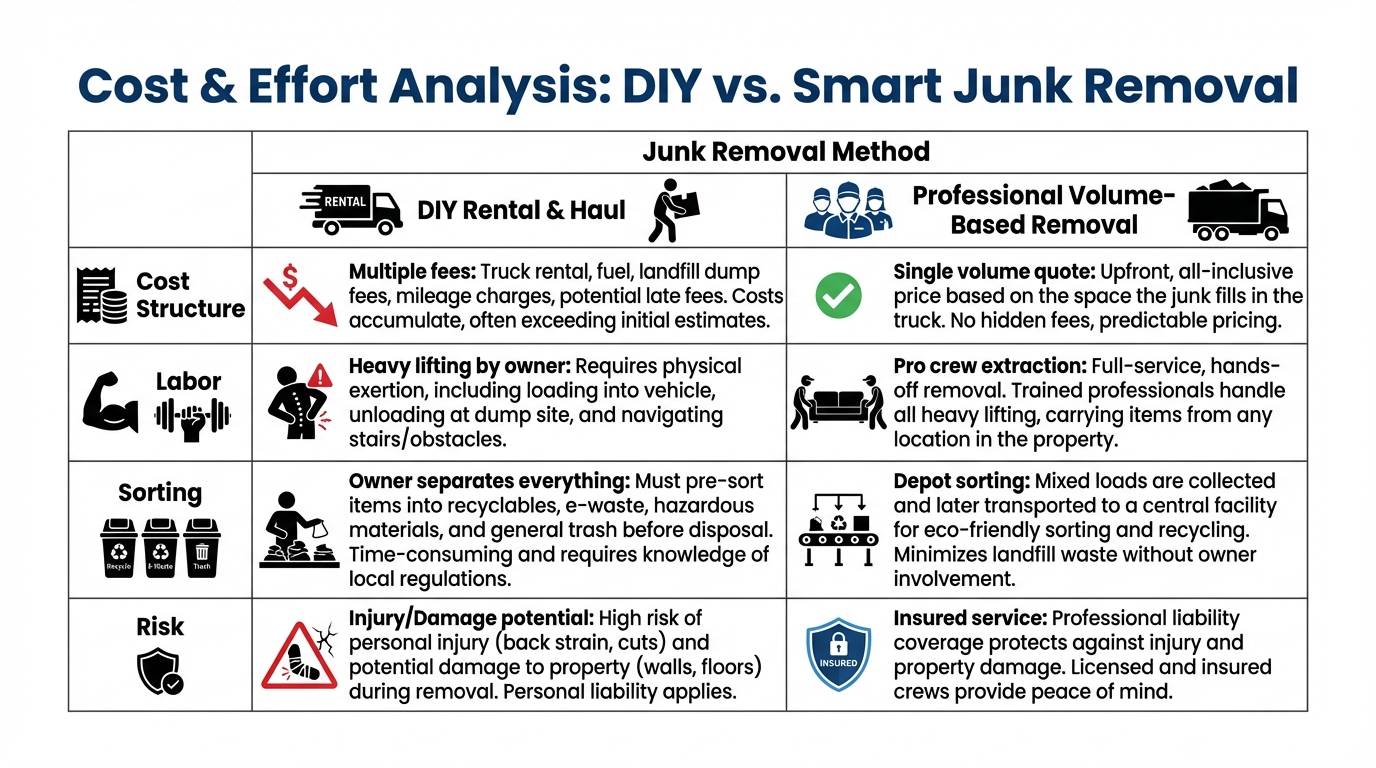
A pickup truck rental from a major provider runs $50-150 per day depending on size and season. Add fuel costs for roundtrips to disposal sites (typically 20-40 miles total to multiple locations), and you’re at $75-200 before you’ve disposed of anything. Then come the landfill gate fees, charged per ton (typically $50-100 at Metro’s transfer stations in Portland), recycling facility charges, and potential costs at specialty disposal sites for items like e-waste or hazardous materials. But the hidden costs dwarf these visible expenses: time lost averages 12-16 hours for a complete DIY garage cleanout. That’s two full weekend days consumed by loading, driving, unloading, and navigating different disposal facilities (standard trash to the landfill, e-waste to the recycling center, donations to Goodwill, hazardous waste to Metro’s collection facility). If you value your time at even a modest $25/hour, that’s $300-400 in opportunity cost. Add the risk factors: potential vehicle damage from improperly secured loads, injury risk from heavy lifting without proper equipment or training, and the multiple trips required when amateur packing leaves trucks half-empty due to inefficient space utilization.
Volume-Based Pricing Explained
Professional junk removal services like Smart Junk Removal PDX charge based on the space your items occupy in the truck, measured in cubic yards. This model is particularly advantageous for garage cleanouts, which typically consist of bulky but relatively light items—empty cardboard boxes, old furniture with hollow frames, plastic storage bins, Styrofoam packaging. Here’s why volume-based beats weight-based pricing for garage projects: that stack of 50 cardboard boxes weighs perhaps 30 pounds but occupies 4 cubic yards. At a landfill charging by weight, you pay minimal disposal fees—but you still paid truck rental and invested your time. With volume-based removal, you get a single upfront quote (typically $150-400 depending on volume), the crew does all the loading, and there’s zero time investment on your part. The pricing eliminates surprise fees. When Smart Junk provides a quote for “approximately 6 cubic yards of removal,” that’s the price—period. No additional charges for labor hours, no extra fees if items are heavier than estimated, no fuel surcharges or disposal upcharges.
Beyond Cost: The Labor Factor
Professional crews train in proper lifting techniques and work in teams, dramatically reducing injury risk. They have specialized equipment—dollies, straps, ramps—that make moving bulky items like old refrigerators or water heaters safe and efficient. Most importantly, they load trucks with professional efficiency, often fitting 40-50% more into the same space than amateur packers achieve, which means fewer trips and lower costs even in a volume-based model. You avoid the physical exhaustion that comes with moving hundreds of pounds of material. For homeowners over 50, or those with mobility limitations, professional removal isn’t a luxury—it’s the only realistic option for transforming a heavily cluttered garage.
Environmental Responsibility
Reputable removal companies like Smart Junk Removal PDX sort materials at their depot, separating donations from recyclables from landfill-bound trash. That old working lawn mower you were going to throw away? They’ll donate it to a local charity. Those metal shelving units? Recycled. The cardboard? Baled and sent to recycling facilities. DIY disposal often results in everything going to the landfill because homeowners lack the time, knowledge, or inclination to navigate multiple disposal sites. In Portland’s environmentally conscious culture, and with Oregon’s strict regulations on waste diversion, professional sorting ensures compliance with local standards while maximizing the percentage of materials diverted from landfills.
When DIY Makes Sense
If you have less than 2 cubic yards of material (roughly the contents of a standard pickup bed), a single item to dispose of (like one couch), or unlimited time and genuine enjoyment of the hauling process, DIY may be appropriate. But for the typical garage transformation generating 5-15 cubic yards of material, professional volume-based removal is almost always more cost-effective when you account for time, safety, and complete disposal.
Portland-Specific Considerations: Eco-Friendly Disposal and Local Regulations
Operating in the Portland metro area means navigating some of the nation’s most stringent environmental standards—and for good reason. Oregon’s commitment to sustainability isn’t just ideology; it’s enshrined in regulations that affect how you can legally dispose of garage materials.
Oregon Metro Guidelines
The regional government, which manages garbage and recycling for Clackamas, Multnomah, and Washington counties, mandates that certain materials cannot be mixed with regular trash under any circumstances. Violations can result in fines, but more importantly, improper disposal creates real environmental harm in Portland’s watershed-rich ecosystem.
Common Garage Hazardous Materials
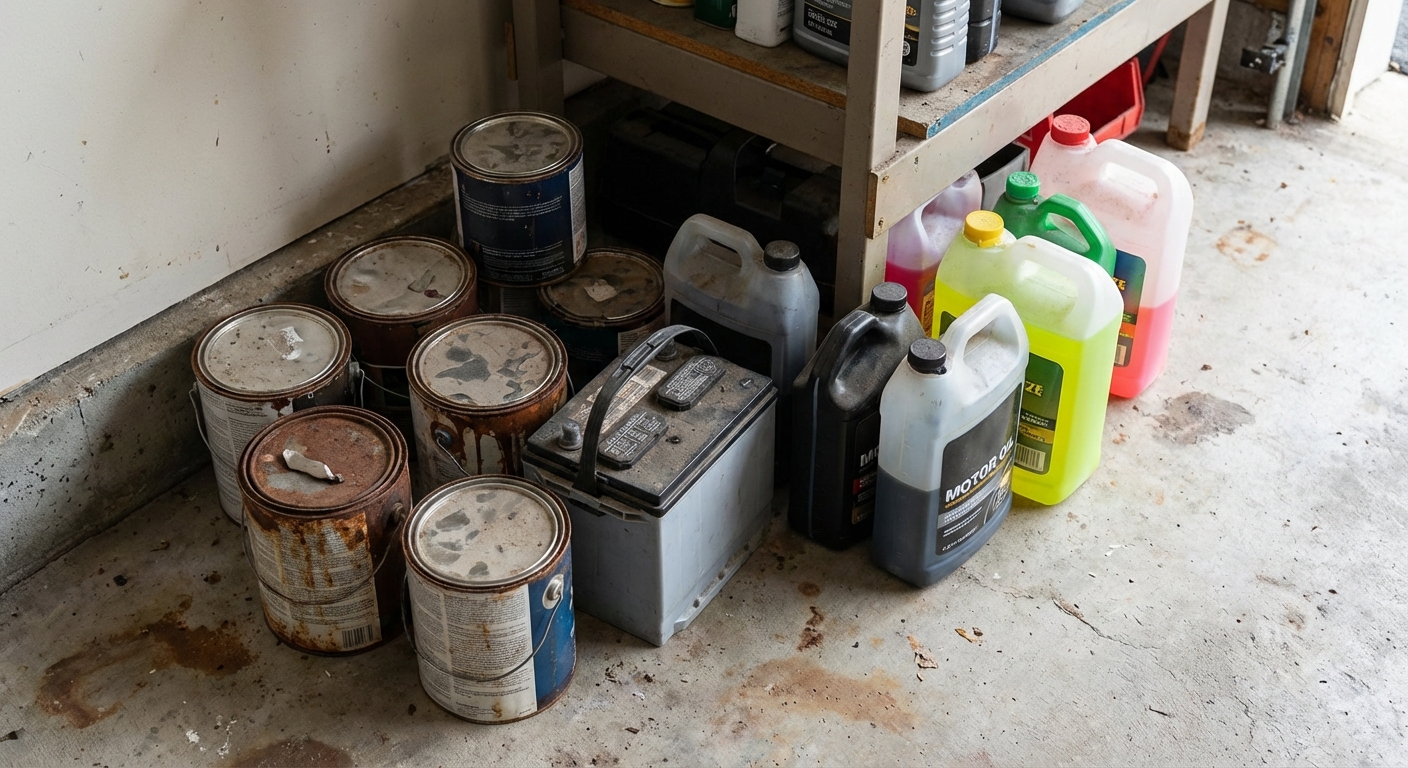
Paint and Paint Thinner: Latex paint can be dried out and disposed of in regular trash (pour thin layers into a cardboard box with kitty litter), but oil-based paints and all paint thinners must go to Metro’s hazardous waste facility. Never pour paint down drains—it contaminates water treatment systems. Batteries: Both automotive batteries (lead-acid) and household batteries (alkaline, lithium, NiCad) require separate collection. Most auto parts stores accept car batteries for free recycling. Household batteries go to designated drop-off sites—many Portland-area New Seasons and Whole Foods locations have collection bins. Pesticides and Herbicides: Even empty containers that held these chemicals need special disposal due to residual toxicity. Metro’s hazardous waste events (held quarterly in different locations) accept these items free for residents. Motor Oil and Antifreeze: Auto parts stores and quick-lube facilities accept used motor oil free of charge—it’s required by Oregon law. Never dump these chemicals in storm drains; Portland’s storm system flows directly to the Willamette River without treatment. Fluorescent Bulbs: These contain small amounts of mercury and cannot go in regular trash. The Home Depot and other retailers accept them for recycling, or drop them at Metro’s hazardous waste facility.
E-Waste Regulations
Oregon state law prohibits landfill disposal of electronics. Those old computer monitors from the 1990s, broken printers, outdated TVs, and obsolete audio equipment must go to certified e-waste recyclers. The good news: many recyclers accept these items free because they recover valuable metals and components. Best Buy offers free recycling for most electronics, and Metro hosts free e-waste collection events throughout the year.
Smart Junk’s Compliance Role
This regulatory complexity is exactly why professional removal services provide value beyond simple hauling. When you hire Smart Junk Removal PDX for a garage cleanout, their crew identifies hazardous materials during loading and routes them to appropriate facilities. They maintain relationships with:
- Certified e-waste recyclers who process electronics according to EPA standards
- Local charities (Habitat for Humanity ReStore, Goodwill, Portland Rescue Mission) for donation-worthy items
- Metro-approved recycling facilities for cardboard, metal, and plastics
- Licensed hazardous waste handlers for chemicals and batteries
You don’t need to research disposal regulations or drive to five different facilities—the professional service handles compliance as part of the quoted price.
Oregon’s 2050 Vision
The state has set ambitious goals to reduce waste generation and increase recovery rates. Metro aims to achieve a 90% recovery rate (diversion from landfills through recycling, composting, and reuse) by 2030. When you choose volume-based professional removal that prioritizes sorting and donation, you’re actively participating in these sustainability goals rather than contributing to landfill growth.
🌲 Benefits of Local Expertise
Portland-area professional haulers understand the nuances of local disposal infrastructure. They know that Goodwill’s Portland locations accept working appliances but their Oregon City location doesn’t. They know which Metro transfer station has the shortest wait times on Saturday mornings. They know that ReStore will pick up cabinets and doors but not pressboard furniture. This local knowledge translates directly to higher diversion rates—Smart Junk reports that 60-75% of materials from typical garage cleanouts get donated or recycled rather than landfilled, compared to estimated 20-30% diversion rates for DIY disposal.
For Portland and Vancouver homeowners who take pride in environmental stewardship, professional removal isn’t just convenient—it’s the most sustainable choice for major decluttering projects.
Transformation Tales: How Portland-Area Homeowners Reclaimed Their Garages
Theory is valuable, but real-world examples demonstrate how these strategies work in practice. Here are two case studies from Smart Junk’s Portland-area clients (names changed for privacy) that illustrate different decluttering scenarios and outcomes.
Case Study 1: The “Empty Nester” Downsize
Situation: Carol and Mark, a Beaverton couple in their early 60s, had accumulated 20 years of their children’s belongings in their spacious 3-car garage. Two adult children had moved out of state, leaving behind furniture, sports equipment, school memorabilia, and boxes of “stuff we’ll sort through someday.” The garage housed two complete bedroom sets, a dozen bikes in various states of repair, camping equipment from family trips years ago, and approximately 40 banker’s boxes labeled “High School” and “College.” Challenge: Carol felt emotionally paralyzed by the project. Each box represented memories—wrestling with whether to keep her son’s high school football jerseys or her daughter’s art projects created decision fatigue before she’d even started. Physically, neither Carol nor Mark could safely lift the heavy furniture or navigate boxes stacked six feet high. The couple had discussed the project for three years without making progress. Solution: After connecting with Smart Junk Removal PDX, they scheduled a consultation where a crew leader walked through the garage and estimated 15 cubic yards of removal once sorting was complete. Smart Junk recommended a hybrid approach: the couple would do initial sorting of sentimental items (going through boxes to identify true keepsakes), while the crew would handle everything else—furniture removal, bike disposal, and bulk material hauling. Over two weekends, Carol and Mark sorted boxes, keeping one 18-gallon bin of genuine memorabilia per child (approximately 5% of the original volume). They photographed items before release, creating digital albums they could share with their kids. The Smart Junk crew arrived on a Monday morning and completed removal in four hours, loading furniture, bikes, camping equipment, and sorted “junk” boxes efficiently into their truck. Outcome: The transformation was immediate and profound. Carol and Mark reclaimed parking space for two vehicles (protecting them from Portland’s winter weather), and converted the third bay into Mark’s woodworking workshop—a retirement hobby he’d been postponing for lack of space. The volume-based pricing model saved them approximately 25% compared to renting a dumpster. A 20-yard dumpster (their estimated need) would have cost $450-600 for a 7-day rental, plus they would have needed to load it themselves—which they physically couldn’t do. Smart Junk’s quote for 15 cubic yards came to $425, including all labor, and the crew sorted donations from trash, resulting in three full truckloads delivered to Habitat ReStore and Goodwill.
Case Study 2: The Pre-Move Cleanout
Situation: The Tran family was relocating from Portland to Vancouver, Washington, and needed to stage their home for sale. Their real estate agent was blunt: “Buyers need to see the garage and visualize their cars in it. Right now, they’ll see a storage unit and wonder what else is wrong with the house.” The garage contained mostly “delayed decision” items from their previous move four years earlier—boxes they’d never unpacked, duplicate kitchen appliances, old furniture from their previous home that didn’t fit the Portland house, and children’s outdoor toys the kids had outgrown. The family was already stressed by the logistics of moving; tackling the garage felt overwhelming. Challenge: Time pressure was intense—the home was listing in three weeks. The Trans needed rapid transformation but were juggling work schedules, school activities for two children, and beginning to pack their current home. They had no bandwidth for multiple trips to donation centers and disposal facilities. Solution: Smart Junk scheduled an “excavation day” where their crew arrived early on a Saturday morning. The team physically removed everything from the garage to the driveway, then worked with the Trans to make rapid keep/donate/junk decisions. Items heading to the new house went directly into a moving pod. Everything else was categorized and loaded into Smart Junk’s truck in a single day. The crew removed approximately 8 cubic yards of material—broken furniture, duplicate appliances, outgrown toys, and the contents of 30+ unpacked boxes that turned out to contain items the Trans didn’t even remember owning. Outcome: The garage transformation was dramatic. After a professional cleaning (which was now possible with the space empty), the staged garage showcased the home’s storage capacity. The Trans’s real estate agent reported that the garage consistently received positive comments during showings. The home sold in 12 days—6 days faster than the neighborhood average—and received two offers, both above asking price. Real estate research from the National Association of Realtors confirms what happened here: decluttered homes sell faster and for higher value because buyers can visualize their own belongings in the space. Beyond the sale success, the Trans reported that the forced decluttering actually simplified their move. They transported 30% less volume to the new home, saving on moving costs and starting fresh in Vancouver without the baggage of accumulated “someday” items. The financial math was compelling: Smart Junk’s quote for 8 cubic yards was $325. The alternative—renting a truck, making multiple disposal trips, and investing their own time during an already stressful period—would have cost more in time and money, with no guarantee they’d achieve the same level of transformation under deadline pressure.
🔑 Key Takeaway
Both cases demonstrate that professional removal isn’t just about convenience—it’s about enabling transformation that homeowners couldn’t achieve alone due to time, physical, or emotional constraints. Carol and Mark needed external help to overcome decision paralysis and physical limitations. The Trans needed rapid execution during a high-stress period. In both cases, the volume-based pricing model proved advantageous for garage-specific projects, and professional sorting led to significantly higher donation and recycling rates than DIY disposal would have achieved.
Final Thoughts
Reclaiming your garage isn’t merely a weekend project—it’s an investment in your home’s functionality, your mental well-being, and your financial health. The strategies outlined in this guide provide a systematic roadmap: understand the psychological barriers that create clutter, implement full excavation with five-category sorting, maximize vertical storage for items you keep, and leverage professional volume-based removal for efficient disposal.
The Compound Benefits
Protect Your Vehicle Investment: Your car is likely the second-most expensive asset your household owns, after your home itself. Parking it in a sheltered garage rather than exposed to Portland’s rain, moisture, and temperature fluctuations slows depreciation and reduces maintenance costs. The difference in value after five years can easily exceed $3,000-5,000. Reduce Chronic Stress: Princeton’s research on visual clutter and cognitive load isn’t abstract theory—it’s measurable brain science. When you eliminate the chaos, you literally free up mental processing power currently being consumed by environmental overwhelm. Homeowners consistently report that garage organization produces unexpected emotional relief and improved overall household calm. Increase Home Value: Real estate data demonstrates that decluttered, functional spaces increase perceived home value. Even if you’re not selling immediately, you’re building equity. When you do sell, the garage that can actually park cars becomes a competitive advantage in listings. Regain Functional Space: Whether you want a workshop, a home gym, a proper recycling center, or simply the intended purpose (parking vehicles), the square footage you reclaim has genuine utility value. At Portland area real estate prices, every functional square foot matters.
The Financial Reality Check
When you honestly calculate DIY time at your hourly earning rate, factor in injury risk, add hidden costs like rental fees and disposal charges, and account for the likelihood of incomplete execution, professional removal often costs less than the true total cost of doing it yourself. The $300-500 you invest in professional volume-based removal buys you certainty, speed, and proper disposal—while preserving your weekend for activities you actually enjoy.
Environmental Stewardship
In the Portland metro area, where sustainability isn’t just a value but a community expectation, professional services ensure compliance with Oregon’s strict disposal regulations. When Smart Junk diverts 60-75% of garage cleanout materials from landfills through donation and recycling, you’re actively participating in the region’s 2050 waste reduction vision.
Your garage wants to be a garage. It’s time to let it fulfill its purpose.
Ready to Transform Your Garage?
Start today with just one hour: set a timer and sort a single corner using the five-category system. You’ll build momentum and clarity that makes the full project feel achievable rather than overwhelming.
When you’re ready for the disposal phase, contact Smart Junk Removal PDX for a free, no-obligation volume-based quote. Their Portland-area team will assess your specific situation, provide transparent pricing, and handle the heavy lifting while ensuring your materials are properly sorted for donation, recycling, and responsible disposal.
Your two-car garage doesn’t have to remain a storage unit. Reclaim it—and reclaim the peace of mind that comes with functional, organized space.
References:
- Arnold, J. E., Graesch, A. P., Ragazzini, E., & Ochs, E. (2012). Life at Home in the Twenty-First Century: 32 Families Open Their Doors. Cotsen Institute of Archaeology Press. https://io.ucla.edu/media-kit/2012/07/03/life-at-home-in-the-twenty-first-century
- U.S. Department of Energy. (2010). Building America: Garage Ecology. https://www.nrel.gov/docs/fy10osti/47392.pdf
- SpareFoot Storage Beat. (2023). Self-Storage Industry Statistics. https://www.sparefoot.com/self-storage/news/by-the-numbers/
- Kahneman, D., Knetsch, J. L., & Thaler, R. H. (1991). Anomalies: The Endowment Effect, Loss Aversion, and Status Quo Bias. Journal of Economic Perspectives. https://www.aeaweb.org/articles?id=10.1257/jep.5.1.193
- McMains, S., & Kastner, S. (2011). Interactions of Top-Down and Bottom-Up Mechanisms in Human Visual Cortex. The Journal of Neuroscience. https://www.jneurosci.org/content/31/2/587
- Oregon Metro. (2024). Garbage and Recycling: What Goes Where. https://www.oregonmetro.gov/tools-living/garbage-and-recycling
- National Association of Realtors. (2023). Profile of Home Staging. https://www.nar.realtor/research-and-statistics/research-reports/profile-of-home-staging